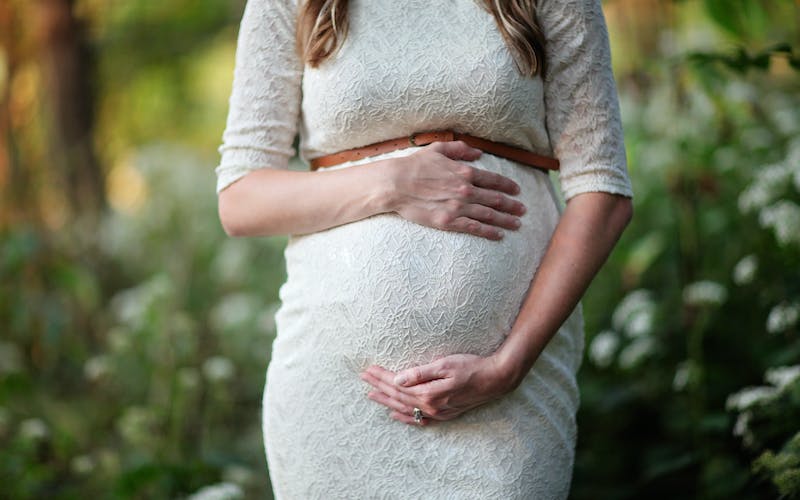
Pregnancy is a beautiful journey, but it also brings many physical and emotional changes to a woman’s body. Understanding these changes and maintaining a healthy lifestyle can help ensure both mother and baby stay safe and fit.
This guide will help you understand how your body changes during pregnancy and what kind of exercises are safe to follow.
If you want a blog post on health and fitness, then you can choose our platform and you can post your blog on the Write For Us Health And Fitness category.
How Does Your Body Change During Pregnancy?
During pregnancy, your body goes through several transformations to support your growing baby. These changes can sometimes lead to discomfort or health concerns.
1. Back Pain and Pelvic Discomfort
Changes in posture and joint movement can cause Low Back Pain and Pelvic Girdle Pain (PGP), also known as Symphysis Pubis Dysfunction. These pains occur due to pressure on muscles and joints.
2. Weak Abdominal Muscles
As the baby grows, your abdominal muscles stretch and weaken. This can lead to a condition called Diastasis Recti, where the abdominal muscles separate, affecting posture and core strength.
3. Pelvic Floor Weakness
The added weight and pressure on the pelvic area can weaken pelvic floor muscles, sometimes leading to urinary leakage, also known as Stress Incontinence.
4. Hormonal Changes and Circulation Issues
Pregnancy hormones can affect blood circulation, causing:
- Swelling in hands and feet
- Leg cramps
- Numbness or tingling in hands (Antenatal Carpal Tunnel Syndrome)
5. Postnatal Recovery Needs
After delivery, it’s important to follow a postnatal exercise routine to rebuild muscle strength and restore body balance.
You Can Also Read : What is Ayurveda and How is Ayurveda Beneficial for Your Health
Can Women Exercise During Pregnancy?
Yes, exercise during pregnancy is not only safe but also highly beneficial when done correctly.
Low to moderate-intensity workouts can help:
- Improve circulation
- Reduce back pain
- Boost energy levels
- Support healthy weight gain
Safe Exercises During Pregnancy
Some recommended low-impact exercises include:
- Brisk walking
- Swimming
- Prenatal yoga or Pilates
- Stationary cycling
- Light aerobics
If you are new to exercise, start slowly and gradually increase your activity level. Always stick to exercises you are comfortable with.
Precautions Before Exercising
If you have any medical condition or complications, consult your doctor before starting any exercise routine.
Avoid high-impact, contact, or risky sports—especially after the first trimester.
Do’s During Pregnancy Exercise
- Exercise regularly (about 3 times a week)
- Warm up before and cool down after workouts
- Limit workouts to around 30 minutes
- Stay hydrated by drinking plenty of water
- Practice relaxed breathing techniques
- Inform your trainer that you are pregnant
- Listen to your body and stop if you feel discomfort
- Use supportive tools like a gym ball to improve posture
You Can Also Read : Understand The Causes that Affects Your Periods
Don’ts During Pregnancy Exercise
- Avoid lying flat on your back after 4 months
- Do not overstretch or perform jerky movements
- Avoid holding your breath during exercise
- Do not let your heart rate exceed safe limits
- Avoid overheating or exhaustion
- Stop immediately if you feel pain, dizziness, or discomfort
Conclusion
Pregnancy brings many changes, but with the right care and awareness, you can stay healthy and active throughout this journey. Regular exercise, proper posture, and listening to your body are key to maintaining fitness during pregnancy.
Always prioritize safety and consult a healthcare professional when needed. A healthy pregnancy leads to a healthier recovery and a happier motherhood experience.