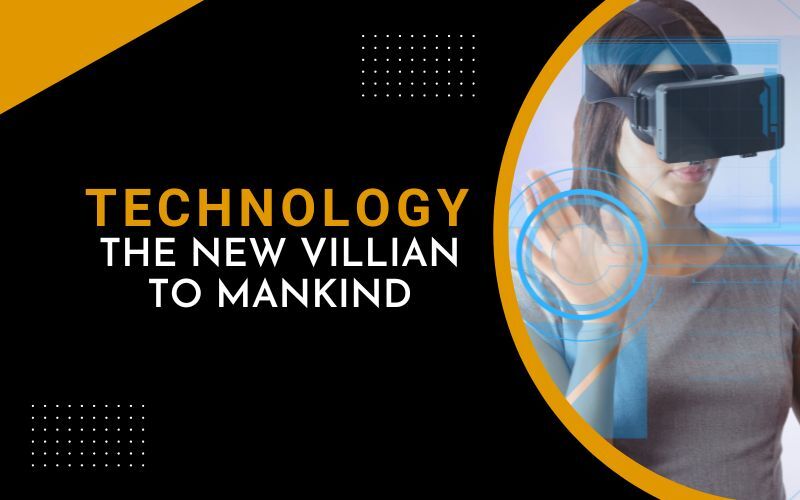
Technology has completely transformed the way humans live, work, communicate, and learn. From smartphones and artificial intelligence to online banking and smart homes, technological advancements have made life more convenient than ever before. However, despite its many benefits, technology also comes with several drawbacks that are affecting human lives in unexpected ways.
While technology helps us complete tasks faster and connect with the world instantly, excessive dependence on digital systems has also introduced serious concerns related to privacy, mental health, employment, and social behavior.
So, is technology becoming the new villain to mankind? Let’s explore its major disadvantages and understand how it impacts modern society.
The Growing Dependence on Technology
Today, people rely heavily on technology for almost everything—from education and business to shopping and healthcare. Smartphones, laptops, and internet services have become essential parts of daily life.
Although technology has increased efficiency and convenience, overdependence can create challenges such as reduced human interaction, increased stress, and digital addiction.
The key concern is not technology itself, but how people use it.
Major Disadvantages of Technology
1. Threat to Data Security
One of the biggest disadvantages of technology is the growing threat to personal and financial data security.
As digital platforms continue to expand, cybercrime has also increased. Hackers and cybercriminals can misuse technology to steal valuable information, including:
- Bank account details
- Personal identity information
- Business records
- Passwords and login credentials
- Confidential office data
Online fraud has become increasingly common. Sharing sensitive information, such as passwords or one-time passwords (OTPs), can put users at serious risk.
When personal information is uploaded online, there is always a possibility that it could be accessed by unauthorized individuals, making cybersecurity more important than ever.
2. Expensive and Costly Technology
Modern technology often comes with a high price tag.
Although there are many digital devices available, premium smartphones, laptops, tablets, and software subscriptions can be expensive for middle-class families.
The high cost of technology creates inequality, especially in education.
For example:
- Wealthier schools can afford smart classrooms
- Smaller schools may struggle to access modern digital tools
- Students from low-income backgrounds may lack proper devices
This digital divide can limit equal opportunities for education and professional growth.
Similarly, businesses also face high expenses when adopting advanced technology systems.
3. Increased Workload and Stress
Technology was designed to simplify work, but in many cases, it has increased employee stress and workload.
Today’s professionals constantly deal with:
- Hundreds of emails
- Work notifications after office hours
- Virtual meetings
- Endless digital documentation
Remote communication tools have blurred the line between work and personal life.
Many employees receive work-related messages during evenings, weekends, or holidays, making it difficult to disconnect and relax.
Additionally, organizing large amounts of digital information such as reports, training materials, videos, and presentations can feel overwhelming.
As a result, technology sometimes increases pressure instead of reducing it.
You Can Also Read : Advantages and Disadvantages of Internet
4. Job Uncertainty and Automation
Technology has dramatically changed the job market.
Many industries now use automation, artificial intelligence, and remote work systems to improve efficiency and reduce costs.
While this creates new opportunities, it also raises concerns about job security.
Some major impacts include:
- Machines replacing manual labor
- Automated systems reducing human involvement
- Companies outsourcing jobs to lower-cost countries
- Increased competition for remote jobs
Remote working has transformed employment, allowing companies to hire workers globally. While this benefits businesses, it may reduce opportunities for local workers in higher-income regions.
Many people fear that automation and AI may replace certain jobs in the future.
5. Reduced Human Interaction
Technology has changed the way people socialize.
Although social media and messaging apps help people stay connected, face-to-face interactions have decreased.
People often spend hours on screens instead of engaging with family and friends.
This can lead to:
- Social isolation
- Poor communication skills
- Emotional disconnect
- Reduced quality time with loved ones
Human relationships may weaken when digital communication replaces personal interaction.
6. Health Problems Caused by Technology
Excessive technology use can negatively affect physical and mental health.
Common health issues include:
- Eye strain from screen exposure
- Poor posture and back pain
- Sleep problems caused by blue light
- Reduced physical activity
- Stress and anxiety
Technology addiction, especially among younger generations, has become a growing concern.
Spending too much time online can also affect concentration and emotional well-being.
7. Technology Dependency
People have become increasingly dependent on technology for simple everyday tasks.
For example:
- GPS for navigation
- Calculators for basic math
- Online shopping for daily essentials
- Smartphones for reminders and schedules
This dependency can reduce critical thinking and problem-solving abilities over time.
Without technology, many individuals may struggle to complete even routine tasks.
You Can Also Read : 2-Way vs 4-Way Speakers: Which Sounds Better?
Is Technology Really the Villain?
Despite these disadvantages, technology itself is not the true villain. The real issue lies in excessive use and misuse.
Technology has also brought many benefits, such as:
- Faster communication
- Better healthcare systems
- Easy access to education
- Business growth opportunities
- Improved productivity
The challenge is finding the right balance between using technology wisely and avoiding overdependence.
Responsible use of technology can help reduce its negative effects while maximizing its benefits.
Passionate about technology? Technology Write for Us gives you the opportunity to share your insights, ideas, and expertise with a wider audience while contributing valuable knowledge to the tech community.
The Bottom Line
Technology has undoubtedly changed human life in extraordinary ways. It makes communication easier, improves productivity, and simplifies daily activities. However, it also introduces serious challenges, including cybersecurity risks, expensive costs, work stress, job uncertainty, and health concerns.
Instead of viewing technology as the enemy, society should focus on using it responsibly and ethically. By maintaining balance and staying aware of its risks, people can enjoy the advantages of technology without allowing it to negatively impact their lives.
In the end, technology should serve humanity—not control it.