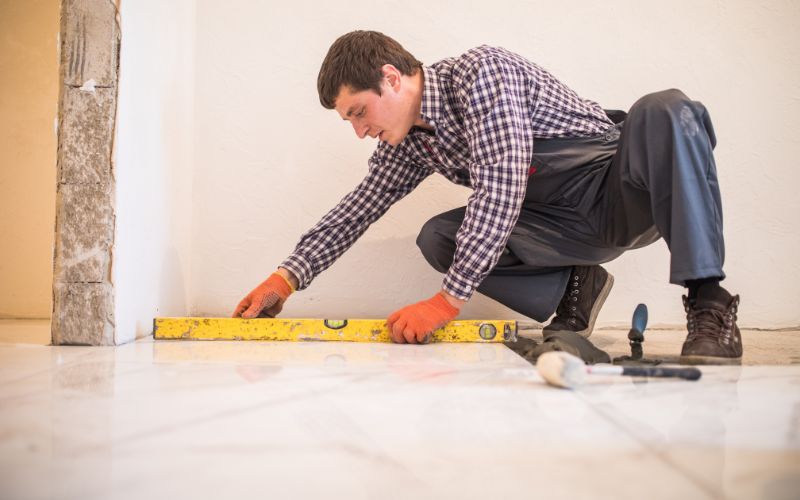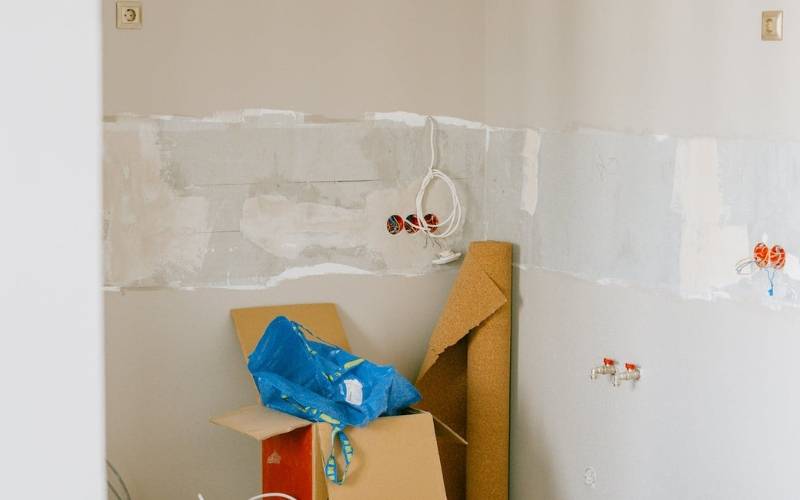

Home improvement is one of the best ways to enhance the comfort, functionality, and value of your property. Whether you’re planning a complete renovation or making small upgrades, thoughtful improvements can transform your house into a more enjoyable and efficient place to live.
From setting a realistic budget to choosing quality materials and modern designs, every decision plays an important role in the success of your project. This guide shares practical home improvement tips that can help you renovate your home while staying within your budget.
Why Home Improvement Matters
Improving your home offers several benefits beyond aesthetics. It can:
- Increase your property’s market value
- Improve energy efficiency
- Enhance comfort and functionality
- Reduce maintenance costs
- Create a healthier living environment
- Personalize your living space
Regular upgrades also help keep your home modern and attractive.
1. Set a Realistic Budget
Every successful home improvement project starts with careful financial planning.
Before beginning any renovation:
- Determine your total budget.
- List your essential upgrades.
- Compare prices for materials and labor.
- Keep an emergency fund of 10–15% for unexpected expenses.
A clear budget helps prevent overspending and keeps the project on track.
2. Plan Your Home Design
A well-planned design improves both appearance and usability.
Consider:
- Room layout
- Storage requirements
- Natural lighting
- Furniture placement
- Color schemes
- Future needs
Choose a design that complements your home’s architecture while reflecting your personal style.
3. Choose High-Quality Materials
Using durable materials reduces maintenance and extends the life of your renovation.
Popular options include:
Flooring
- Hardwood
- Vinyl flooring
- Ceramic tiles
- Laminate
- Natural stone
Countertops
- Quartz
- Granite
- Marble
- Solid surface materials
Cabinets
- Solid wood
- Plywood
- MDF with premium finish
Investing in quality materials often saves money in the long run.
4. Improve Lighting
Lighting can completely transform a room.
Combine different lighting types:
- Ambient lighting
- Task lighting
- Accent lighting
- Natural daylight
Replacing traditional bulbs with LED lighting also improves energy efficiency.
5. Upgrade Your Kitchen
The kitchen is one of the most valuable areas to renovate.
Popular improvements include:
- Modern cabinets
- Energy-efficient appliances
- Stylish backsplashes
- Smart storage solutions
- Durable countertops
- Under-cabinet lighting
A functional kitchen improves both convenience and home value.
6. Renovate Bathrooms
Simple bathroom upgrades can make a significant difference.
Consider installing:
- Water-saving fixtures
- Modern vanities
- Walk-in showers
- Better ventilation
- Anti-slip flooring
- Improved lighting
These upgrades enhance comfort while reducing water consumption.
7. Increase Storage Space
Smart storage helps keep your home organized.
Ideas include:
- Built-in wardrobes
- Floating shelves
- Under-bed storage
- Multi-purpose furniture
- Wall-mounted cabinets
Efficient storage makes even smaller homes feel more spacious.
8. Improve Energy Efficiency
Energy-efficient homes reduce utility bills and support sustainability.
Consider:
- Double-glazed windows
- Proper insulation
- Solar panels
- Smart thermostats
- Energy-efficient appliances
- LED lighting
These improvements provide long-term savings.
9. Refresh Interior Paint
Painting is one of the easiest ways to modernize your home.
Choose colors that:
- Reflect natural light
- Match your furniture
- Create a relaxing atmosphere
- Add personality to each room
Neutral shades remain timeless, while accent walls can add visual interest.
10. Upgrade Outdoor Spaces
Outdoor improvements increase curb appeal and create additional living space.
Ideas include:
- Garden landscaping
- Patio seating
- Outdoor lighting
- Deck installation
- Decorative pathways
- Fresh exterior paint
An attractive exterior creates a great first impression.
11. Invest in Smart Home Technology
Modern homes are becoming smarter and more convenient.
Popular smart home upgrades include:
- Smart lighting
- Video doorbells
- Smart locks
- Home security systems
- Smart thermostats
- Voice-controlled devices
These features improve security, comfort, and energy management.
12. Hire Experienced Professionals
While DIY projects can save money, larger renovations often require skilled professionals.
Hire licensed contractors for:
- Electrical work
- Plumbing
- Structural modifications
- Roofing
- HVAC installations
Professional workmanship ensures safety and long-lasting results.
Common Home Improvement Mistakes to Avoid
Avoid these common renovation mistakes:
- Starting without a budget
- Choosing low-quality materials
- Ignoring future maintenance costs
- Poor space planning
- Following trends without considering functionality
- Hiring unqualified contractors
Proper planning helps avoid costly repairs later.
Share your ideas, tips, and expertise by contributing to our Home Improvement Write For Us category. We welcome original, informative articles on home renovation, interior design, DIY projects, home maintenance, and décor.
Conclusion
Home improvement is an investment that enhances both your lifestyle and your property’s value. Whether you’re renovating a single room or upgrading your entire home, careful planning, quality materials, and smart design choices can deliver lasting results.
By setting a realistic budget, improving energy efficiency, maximizing storage, and choosing functional designs, you can create a beautiful, comfortable, and practical living space that meets your family’s needs for years to come