Athletes don’t become stronger overnight. Their performance is the result of disciplined training, proper nutrition, recovery, and consistency. While professional athletes train for competitions, the same principles can help anyone improve their overall fitness, strength, and health.
Whether you’re a beginner or someone looking to improve your physical performance, athlete-inspired training can help you become stronger, faster, and more active in everyday life.
Why Athlete Training Is Different
Athletes follow structured training programs designed to improve multiple aspects of fitness rather than focusing on just one goal. Their workouts develop:
- Strength
- Speed
- Endurance
- Balance
- Flexibility
- Coordination
- Mental toughness
Unlike regular gym routines that may focus only on muscle building or weight loss, athletic training improves overall physical performance.
Key Benefits of Athlete-Inspired Training
1. Builds Functional Strength
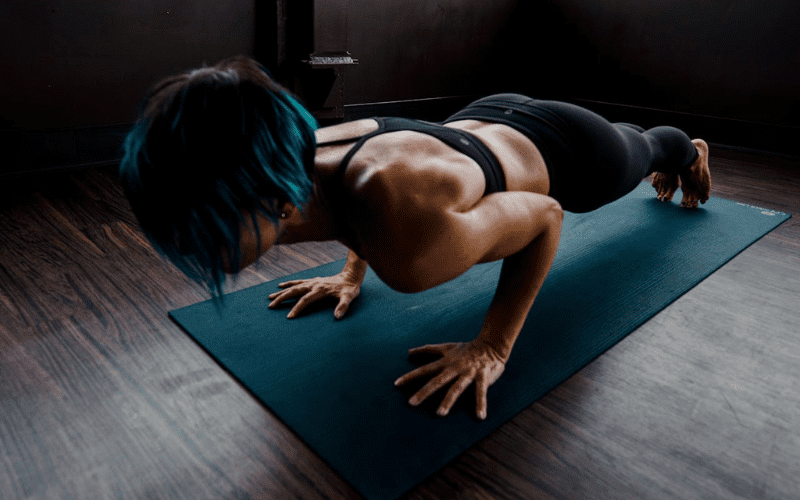
Athletes train their bodies to perform real-life movements efficiently. Exercises such as squats, lunges, deadlifts, push-ups, and pull-ups strengthen multiple muscle groups at the same time.
This type of strength makes everyday activities like lifting groceries, climbing stairs, or carrying heavy objects much easier.
2. Improves Cardiovascular Fitness
Running, cycling, swimming, rowing, and high-intensity interval training (HIIT) help athletes improve heart and lung capacity.
Better cardiovascular health offers several benefits, including:
- Increased stamina
- Better oxygen delivery
- Reduced fatigue
- Improved heart health
- Higher energy levels
You Can Also Read : I Can Smell Myself Through My Pants: Is It Normal or a Health Issue?
3. Reduces the Risk of Injury
Professional athletes spend a significant amount of time on mobility, flexibility, warm-ups, and recovery exercises.
These practices:
- Improve joint mobility
- Strengthen supporting muscles
- Enhance balance
- Reduce muscle stiffness
- Lower the chances of sports injuries
Even non-athletes can benefit from these injury-prevention techniques.
4. Enhances Speed, Agility, and Coordination
Athletes regularly perform drills that improve quick movement and body control.
Examples include:
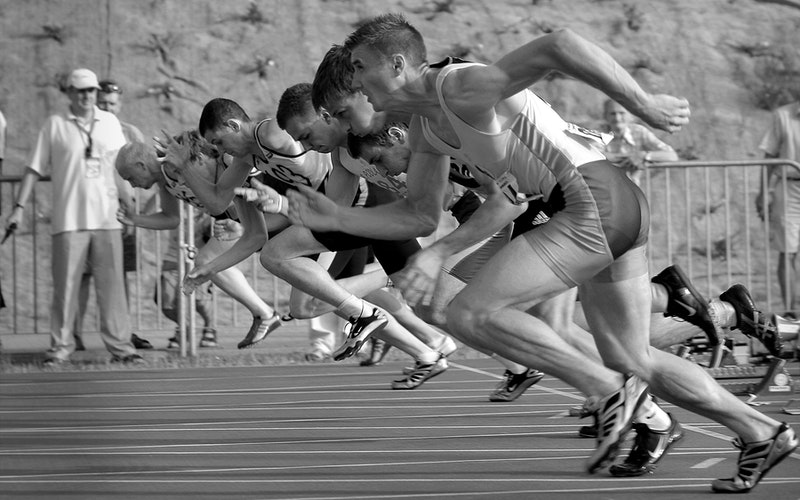
- Sprint intervals
- Ladder drills
- Cone drills
- Plyometric jumps
- Balance exercises
These workouts improve reaction time, coordination, and athletic performance while making daily movements more efficient.
5. Boosts Mental Strength
Training isn’t just about physical improvement.
Athletes develop:
- Discipline
- Focus
- Confidence
- Patience
- Determination
Overcoming physical challenges builds mental resilience that also helps in work, studies, and everyday life.
The Importance of Recovery
Recovery is an essential part of every athlete’s routine.
Without proper recovery, muscles cannot repair and become stronger.
Athletes prioritize:
- 7–9 hours of quality sleep
- Rest days
- Stretching
- Foam rolling
- Hydration
- Balanced nutrition
Recovery helps prevent burnout and supports long-term performance.
Nutrition Plays a Major Role
Exercise alone isn’t enough to achieve peak fitness.
Athletes fuel their bodies with nutrient-rich foods that support muscle recovery and energy production.
A healthy athletic diet typically includes:
- Lean protein
- Whole grains
- Fruits and vegetables
- Healthy fats
- Plenty of water
Proper nutrition improves performance, supports recovery, and keeps the body functioning efficiently.
You Can Also Read : 10 Negative Effects of Social Media!!!
Athlete Training Tips for Beginners
You don’t need to be a professional athlete to train like one.
Start with these simple habits:
- Set realistic fitness goals.
- Focus on proper exercise technique.
- Include strength and cardio workouts.
- Warm up before every session.
- Stretch after workouts.
- Stay hydrated.
- Eat a balanced diet.
- Increase workout intensity gradually.
- Allow your body enough time to recover.
- Stay consistent instead of chasing quick results.
Common Athlete Training Exercises
Some of the most effective exercises include:
- Squats
- Deadlifts
- Push-ups
- Pull-ups
- Lunges
- Planks
- Sprint intervals
- Burpees
- Jump rope
- Medicine ball exercises
- Box jumps
- Kettlebell swings
These compound movements improve strength, endurance, balance, and overall athletic performance.
You Can Also Read : 13 Home Remedies for Clear and Glowing Skin
Can Anyone Train Like an Athlete?
Absolutely.
Athlete-inspired training can be adapted for people of all ages and fitness levels.
Whether your goal is to:
- Lose weight
- Build muscle
- Improve endurance
- Stay active
- Increase flexibility
- Enhance sports performance
Athletic training principles can help you achieve better results than following random workout routines.
Always consult a healthcare professional before beginning a new fitness program if you have an existing medical condition.
Final Thoughts
Athlete training is much more than lifting weights or running long distances. It combines strength, endurance, flexibility, nutrition, recovery, and mental discipline to create a healthier and stronger body.
By incorporating athlete-inspired workouts into your fitness routine, you can improve your overall performance, reduce the risk of injuries, boost your confidence, and enjoy a healthier lifestyle. The key to success is consistency, proper technique, and gradual progress. Start with small steps, stay committed, and you’ll experience lasting improvements in both your physical fitness and overall well-being.