
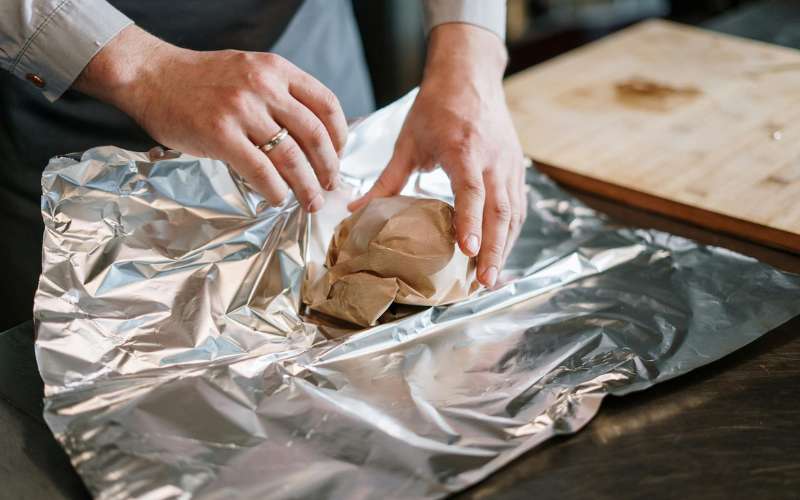
Food packaging has evolved significantly with advancements in technology, and one of the most innovative developments is nanotechnology in food packaging. This modern approach improves food safety, shelf life, freshness, and overall packaging quality. By using materials at the nanoscale level, manufacturers can create stronger, smarter, and more effective food packaging solutions.
Nanotechnology is transforming the food industry by enhancing packaging performance, reducing food waste, and helping consumers access safer products. From antibacterial protection to smart freshness indicators, nanotechnology has introduced revolutionary improvements to traditional food packaging methods.
In this blog, we explore how nanotechnology works in food packaging, its benefits, and the different technologies being used today.
What Is Nanotechnology in Food Packaging?
Nanotechnology in food packaging refers to the use of nano-sized materials or particles to improve packaging functions. These particles are incredibly small, often measured in nanometers, allowing them to enhance the strength, barrier protection, and preservation capabilities of packaging materials.
The main goals of nanotechnology in food packaging include:
- Improving food preservation
- Enhancing packaging durability
- Preventing contamination
- Extending shelf life
- Improving communication about food freshness
- Supporting eco-friendly packaging solutions
This technology helps create packaging systems that actively protect food and even monitor its quality.
You Can Also Read : What Is Bottle Gourd? Health Benefits, Uses & Nutrition
1. Improved Packaging Through Nanocomposites
One of the most important applications of nanotechnology in food packaging is the development of nanocomposites.
Nanocomposites are multiphase materials created by combining nanoparticles with a polymer matrix. These materials improve packaging performance by increasing durability, flexibility, and resistance to oxygen and moisture.
Clay and Silicate Nanoplatelets
Clay and silicate nanoparticles are among the most widely researched materials in food packaging. They are affordable, easy to process, and highly accessible.
These materials help improve packaging by:
- Increasing barrier protection against gases
- Reducing moisture penetration
- Improving strength and durability
They are commonly used to extend the freshness of packaged food products.
Cellulose-Based Nanofibers or Nanowhiskers
Cellulose is one of the strongest natural polymers available. Derived from plant fibers, cellulose-based nanomaterials are eco-friendly, biodegradable, and recyclable.
Their benefits include:
- High mechanical strength
- Lightweight packaging
- Sustainable material use
- Better food protection
Because of their environmentally friendly nature, cellulose nanofibers are becoming increasingly popular in sustainable food packaging.
Carbon Nanotubes (CNTs)
Carbon nanotubes are tiny cylindrical carbon structures with exceptional strength and flexibility.
There are two major types:
- Single-Walled Carbon Nanotubes (SWNTs)
- Multi-Walled Carbon Nanotubes (MWNTs)
These nanotubes improve packaging materials by increasing:
- Mechanical strength
- Heat resistance
- Durability
They are particularly useful for creating stronger food containers and packaging films.
Starch Nanocrystals
Starch-based materials have gained attention as biodegradable packaging alternatives.
Starch nanocrystals offer several advantages, including:
- Low cost
- Biodegradability
- Non-toxicity
- Environmental safety
- Air stability
These properties make starch-based packaging an excellent sustainable solution for reducing plastic waste.
Chitin and Chitosan Nanoparticles
Chitosan is a natural material known for its excellent antibacterial properties.
Its major benefits include:
- Biocompatibility
- Biodegradability
- Strong antimicrobial action
- Food preservation support
Chitosan nanoparticles are commonly used to prevent bacterial growth in food products and improve safety.
2. Active Packaging in Food Technology
Unlike traditional packaging, active packaging interacts with food or the surrounding environment to preserve freshness and improve safety.
Active packaging systems may absorb or release substances such as:
- Oxygen
- Moisture
- Antioxidants
- Antibacterial agents
This helps maintain food quality and significantly extends shelf life.
Inorganic Nanoparticles
Several metal-based nanoparticles are used in active food packaging systems.
Common examples include:
- Silicon Oxide (SiO₂)
- Magnesium Oxide (MgO)
- Zinc Oxide (ZnO)
- Gold (Au)
- Silver (Ag)
These materials improve packaging performance by increasing antimicrobial protection and improving mechanical strength.
Silver Nanoparticles
Silver nanoparticles are among the most researched nanomaterials in food packaging because of their strong antibacterial properties.
They help eliminate harmful bacteria and pathogens, reducing food contamination risks.
Silver nanoparticles are especially effective against:
- Foodborne bacteria
- Harmful microorganisms
- Surface contamination
Their antibacterial properties help keep packaged food safer for longer periods.
Other Antimicrobial Nanoparticles
Copper nanoparticles have also demonstrated strong antimicrobial activity.
Studies show that copper nanoparticles can inhibit microorganisms such as:
- E. coli
- Staphylococcus aureus
- Listeria monocytogenes
This makes them valuable for maintaining hygiene and preventing spoilage in food packaging.
Titanium Dioxide (TiO₂)
Titanium dioxide nanoparticles are widely used because of their antimicrobial and protective properties.
They exist naturally in three forms:
- Rutile
- Brookite
- Anatase
Titanium dioxide helps packaging resist bacterial contamination while maintaining food quality.
Silicon Oxide (SiO₂)
Silica nanoparticles improve packaging by enhancing barrier and mechanical properties.
Benefits include:
- Increased packaging durability
- Better resistance to moisture and oxygen
- Improved food preservation
This makes silicon oxide highly valuable in advanced food packaging systems.
Zinc Oxide (ZnO)
Zinc oxide nanoparticles are highly effective antibacterial agents.
Their reduced particle size improves their performance, helping prevent bacterial growth while improving packaging protection.
ZnO is especially effective when activated by visible light.
Oxygen Scavengers
Oxygen is one of the biggest causes of food spoilage.
It contributes to:
- Browning
- Bad odors
- Flavor loss
- Vitamin degradation
- Growth of microorganisms
Oxygen scavengers are added to packaging to absorb oxygen and keep food fresh for longer periods.
You Can Also Read : Risks & Side Effects of Weight Loss Injections
3. Intelligent or Smart Packaging Systems
Smart packaging is one of the most advanced forms of nanotechnology in food packaging.
Unlike traditional packaging, smart packaging systems monitor food quality and provide real-time information about freshness and safety.
These systems help consumers know whether food remains safe for consumption.
O₂ Sensors
Oxygen sensors monitor oxygen levels inside food packages.
These sensors help:
- Detect package leaks
- Maintain food freshness
- Prevent oxidation
Low oxygen levels improve food quality and shelf life.
CO₂ Sensors
Carbon dioxide sensors help track food freshness during storage.
These sensors are particularly useful for packaged foods that release gases over time.
CO₂ indicators can:
- Detect spoilage
- Monitor freshness
- Improve food safety
Many modern smart packaging systems use chitosan-based CO₂ indicators for better quality monitoring.
Benefits of Nanotechnology in Food Packaging
Nanotechnology offers several advantages for the food industry, including:
- Longer shelf life
- Better food safety
- Reduced food waste
- Improved packaging durability
- Enhanced freshness monitoring
- Stronger antibacterial protection
- Eco-friendly packaging alternatives
These innovations help manufacturers provide safer and higher-quality food products to consumers.
You Can Also Read : Padahastasana Benefits for Physical and Mental Well-Being
Challenges of Nanotechnology in Food Packaging
Despite its benefits, nanotechnology also faces challenges such as:
- High production costs
- Regulatory concerns
- Safety evaluations of nanoparticles
- Consumer awareness and acceptance
Researchers continue studying the long-term safety and environmental effects of nanomaterials in food packaging.
If you are interested in the food category and have knowledge about it, you can share your ideas through our Write for Us Food section and help spread awareness to more people.
Conclusion
Nanotechnology in food packaging is revolutionizing how food is stored, protected, and monitored. From nanocomposites and antimicrobial packaging to smart freshness sensors, this advanced technology improves food safety, extends shelf life, and reduces waste.
As research continues to evolve, nanotechnology is expected to play an even greater role in creating smarter, safer, and more sustainable food packaging solutions for the future.