
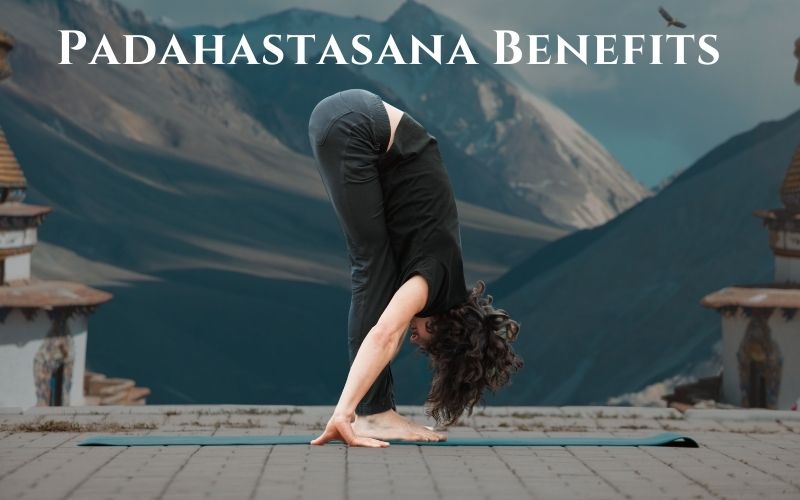
Padahastasana, also known as the Hand-to-Foot Pose, is a classical forward-bending yoga asana that offers powerful benefits for both the body and the mind. Rooted in ancient yogic practice, this pose may look simple, but it deeply impacts flexibility, digestion, mental clarity, and emotional balance. When practiced regularly with proper technique, Padahastasana can become a transformative part of a holistic wellness routine.
What Is Padahastasana?
The word Padahastasana comes from Sanskrit:
-
Pada = feet
-
Hasta = hands
-
Asana = posture
In this asana, the practitioner bends forward from a standing position, placing the hands under or beside the feet. This deep forward fold stretches the entire posterior chain of the body and stimulates internal organs, making it a powerful yet accessible yoga posture.

Physical Benefits of Padahastasana
1. Improves Flexibility of the Spine and Legs
Padahastasana provides an intense stretch to the hamstrings, calves, hips, and spine. With regular practice, it increases spinal flexibility and reduces stiffness, helping maintain a healthy range of motion as the body ages.
2. Strengthens Muscles and Joints
This pose strengthens the muscles of the legs, knees, and ankles, while also engaging the core. It helps improve joint mobility and can support better posture and balance over time.
3. Enhances Digestive Health
The forward bend gently compresses the abdominal organs, which helps stimulate digestion. Practicing Padahastasana regularly may help reduce issues such as constipation, bloating, and sluggish digestion.
4. Boosts Blood Circulation
As the head moves closer to the legs, blood flow increases toward the brain and upper body. This improved circulation can help nourish the nervous system and promote overall vitality.
5. Supports Weight Management
Padahastasana activates the abdominal muscles and improves metabolic function. When combined with mindful breathing and a healthy lifestyle, it can assist in maintaining a balanced weight.
6. Relieves Lower Back Pain
By stretching and decompressing the spine, this asana can help relieve mild lower back pain caused by prolonged sitting or poor posture. Regular practice may also reduce spinal tension and fatigue.
You Can Also Read: I Can Smell Myself Through My Pants: Causes & Fixes
Mental and Emotional Benefits of Padahastasana
1. Reduces Stress and Anxiety
Forward-bending poses are known for their calming and grounding effects. Padahastasana soothes the nervous system, helping reduce stress, anxiety, and mental restlessness.
2. Enhances Focus and Mental Clarity
As the body relaxes into the pose, the mind naturally turns inward. This helps improve concentration, mental clarity, and emotional awareness, making it an excellent asana for mindfulness.
3. Promotes Emotional Balance
Padahastasana encourages emotional release by calming the mind and relieving stored tension in the body. It is especially helpful during times of emotional overwhelm or fatigue.
4. Helps Manage Insomnia and Fatigue
By calming the nervous system and releasing physical tension, this pose can support better sleep quality and help combat mental exhaustion.
How to Practice Padahastasana Correctly
-
Stand straight with feet hip-width apart
-
Inhale deeply and raise your arms overhead
-
Exhale slowly and bend forward from the hips
-
Place your palms under your feet or hold your ankles
-
Keep your knees slightly bent if needed
-
Hold the pose for 20–40 seconds while breathing normally
-
Slowly return to a standing position
Precautions and Contraindications
While Padahastasana is beneficial, it should be practiced with care:
-
Avoid if you have severe back injuries or slipped disc
-
People with low blood pressure should rise slowly
-
Pregnant women should avoid deep forward bends
-
Always practice under guidance if you are a beginner
Best Time to Practice Padahastasana
The ideal time to practice Padahastasana is early morning on an empty stomach. However, it can also be practiced in the evening, at least 4–5 hours after meals, for relaxation and stress relief.
Conclusion
Padahastasana is a powerful yet gentle yoga pose that nurtures both physical strength and mental peace. From improving flexibility and digestion to calming the mind and reducing stress, this asana offers holistic benefits that support overall well-being. With regular and mindful practice, Padahastasana can help you achieve a healthier body, a calmer mind, and a deeper connection with yourself.