Floor tiles are chosen by many homeowners because they are durable, easy to clean, and visually appealing. However, one common problem that often surprises homeowners is lifted or popping floor tiles. This condition occurs when tiles detach from the surface beneath them and rise unevenly, creating gaps, hollow sounds, or even sharp edges.
Although it may start as a small issue affecting only one or two tiles, lifted floor tiles should never be ignored. If left untreated, the problem can spread and cause more serious damage to the flooring system and the structure below it.
Understanding why floor tiles lift and how to fix them properly is essential for maintaining a safe and comfortable living space.
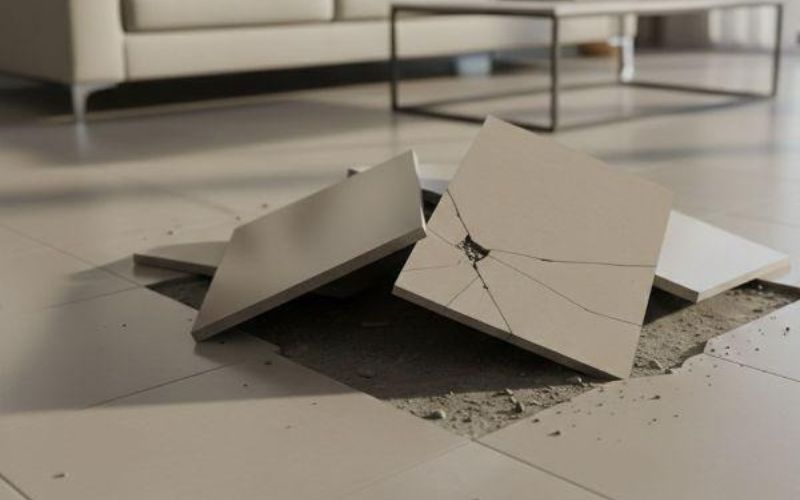
What Causes Floor Tiles to Lift?
There is no single cause behind lifted floor tiles. In most cases, the issue results from a combination of installation errors, environmental factors, and long-term wear.
One of the most common reasons is poor installation quality. When tiles are installed using an incorrect cement-to-water ratio or uneven adhesive application, the bonding strength becomes weak. Over time, foot traffic and natural building movement can cause tiles to lose adhesion and lift.
Another significant factor is moisture trapped beneath the tiles. Water can seep into the subfloor through small cracks, leaks, or high humidity levels. When moisture accumulates, it weakens the adhesive layer and causes expansion, pushing the tiles upward.
Temperature changes also play an important role. In homes exposed to direct sunlight or fluctuating indoor temperatures, materials naturally expand and contract. Without adequate spacing between tiles, pressure builds up and forces them to lift.
Finally, the absence of expansion joints is a frequent oversight. Expansion joints allow tiles to move slightly without damaging the surface. When tiles are installed too tightly, stress has nowhere to go, resulting in lifted or cracked tiles.
Early Warning Signs You Should Not Ignore
Lifted tiles rarely happen suddenly without warning. Homeowners can often detect early signs if they pay attention.
Common indicators include:
- Hollow sounds when tapping on tiles
- Hairline cracks in grout lines
- Slight movement or vibration underfoot
- Uneven tile surfaces
Addressing these symptoms early can significantly reduce repair costs and prevent further damage.
The Risks of Leaving Lifted Floor Tiles Unrepaired
Many homeowners delay repairs because the damage appears minor. However, lifted floor tiles pose several risks.
First, they create safety hazards. Uneven surfaces can cause people to trip, especially children and elderly family members. Sharp tile edges can also lead to injuries.
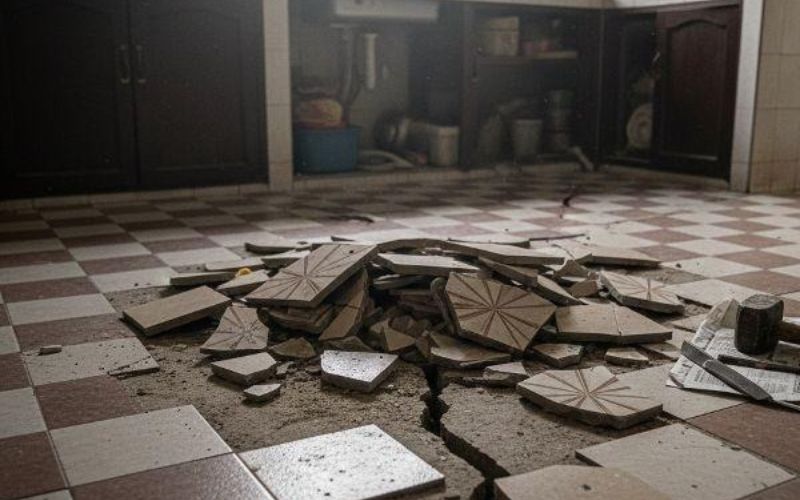
Second, the problem often spreads. Once one tile lifts, adjacent tiles are exposed to increased pressure and are more likely to loosen or crack. This chain reaction can damage an entire section of the floor.
Third, water infiltration becomes more likely. Gaps between tiles allow moisture to penetrate deeper layers, potentially damaging the subfloor and increasing the risk of mold growth.
Ultimately, postponing repairs usually results in higher renovation costs in the long run.
Can Lifted Floor Tiles Be Fixed Without Major Renovation?
The answer depends on the severity and underlying cause of the problem.
In mild cases, where only a few tiles are affected and the subfloor remains intact, targeted repairs may be sufficient. This typically involves removing the affected tiles, cleaning the surface, and reinstalling them with proper adhesive and spacing.
However, if the lifting is widespread or caused by structural movement, moisture problems, or improper installation methods, simple patchwork repairs may not last. Without addressing the root cause, tiles may lift again within months.
For homeowners who want a clearer understanding of the correct repair steps—from identifying the cause to applying the right solution—this detailed explanation on how to repair lifted floor tiles correctly provides a practical and easy-to-follow reference.
When Is Professional Help Necessary?
Professional assistance is recommended when:
- Lifted tiles appear in multiple rooms
- The problem keeps recurring after repairs
- Moisture damage is suspected beneath the floor
- Tiles are cracking or breaking frequently
Experienced renovation professionals can assess the condition of the subfloor, identify moisture sources, and recommend appropriate solutions. In some cases, partial floor replacement may be necessary to ensure long-term durability.
While professional repairs may seem costly at first, they often prevent recurring issues and provide better value over time.
Preventing Floor Tiles from Lifting in the Future
Prevention is always better than repair. Homeowners can reduce the risk of lifted tiles by following a few simple guidelines.
Proper installation is key. Using high-quality materials, applying adhesive evenly, and allowing sufficient curing time can make a significant difference. Including expansion joints during installation helps accommodate natural movement.
Maintaining good indoor ventilation also helps control moisture levels. Addressing leaks promptly and ensuring proper drainage can protect the subfloor from water damage.
Regular inspections are another effective preventive measure. Checking for early warning signs allows homeowners to take action before problems escalate.
Final Thoughts
Lifted floor tiles are more than just a cosmetic issue. They signal underlying problems that, if ignored, can compromise safety and increase renovation costs. By understanding the causes, recognizing early symptoms, and applying the correct repair approach, homeowners can protect their floors and extend their lifespan.
Whether the solution involves minor repairs or professional renovation, timely action is always the best decision. Well-maintained flooring not only enhances comfort but also preserves the overall value of the home.