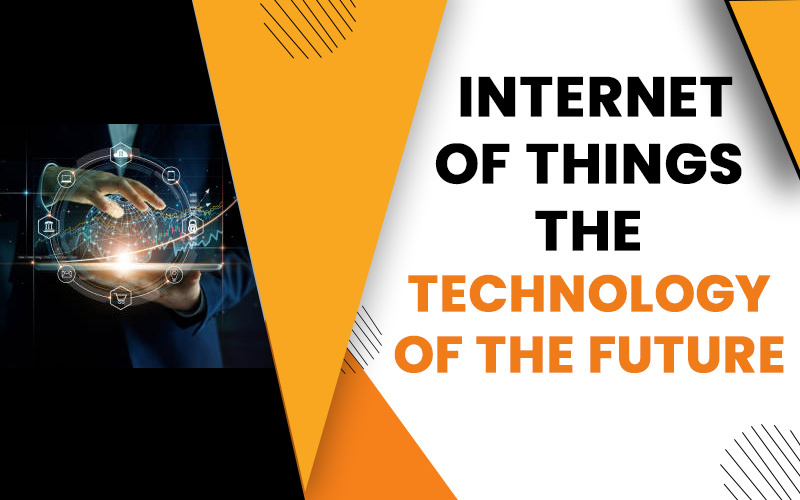
Technology continues to evolve rapidly, and one of the most transformative innovations of the modern era is the Internet of Things (IoT). What once seemed like a futuristic concept is now becoming a reality and changing the way people live, work, and interact with the world.
The Internet of Things connects everyday devices to the internet, allowing them to collect, exchange, and process data automatically. From smart homes and wearable devices to connected industries and intelligent cities, IoT is creating endless opportunities for innovation and growth.
As businesses and individuals adopt connected technologies, IoT is becoming one of the strongest drivers of future technological advancement.
What Is the Internet of Things (IoT)?
The Internet of Things (IoT) refers to a network of physical devices connected through the internet that can communicate and share data without requiring constant human intervention.
These devices contain:
- Sensors
- Software
- Internet connectivity
- Data processing capabilities
IoT allows devices to gather information, analyze it, and perform actions automatically.
Examples of IoT Devices
- Smart home systems
- Smart speakers
- Fitness trackers
- Smart refrigerators
- Connected vehicles
- Industrial monitoring systems
- Smart security cameras
IoT makes devices more intelligent and efficient.
You Can Also Read : Technology in Daily Life: Importance and Benefits
How Does IoT Work?
IoT systems operate through a simple process:
1. Data Collection
Connected devices use sensors to collect information from their environment.
Examples:
- Temperature readings
- Motion detection
- Energy usage
- Location tracking
2. Data Transmission
Collected data is sent over the internet to cloud platforms or processing systems.
3. Data Processing
Software analyzes the data and determines appropriate actions.
4. Automated Response
The system performs actions automatically or sends notifications to users.
For example, a smart thermostat can adjust room temperature automatically based on user preferences.
You Can Also Read : Types of Technology and Their Importance Today
Applications of IoT in Daily Life
1. Smart Homes
IoT is transforming homes into connected environments.
Examples include:
- Smart lighting systems
- Smart locks
- Voice assistants
- Smart kitchen appliances
Users can control these devices remotely using mobile applications.
2. Healthcare
IoT is improving healthcare services through connected medical devices.
Examples:
- Remote patient monitoring
- Wearable health trackers
- Smart medical equipment
Benefits include faster diagnosis and better patient care.
3. Business and Industry
Businesses use IoT to optimize operations and improve efficiency.
Applications include:
- Inventory tracking
- Predictive maintenance
- Supply chain management
- Automation systems
This reduces costs and increases productivity.
4. Transportation
Connected transportation systems improve mobility and safety.
Examples:
- Smart traffic management
- Vehicle tracking
- Connected cars
IoT supports smarter and safer transportation networks.
5. Agriculture
Modern farming increasingly depends on IoT.
Applications include:
- Smart irrigation
- Soil monitoring
- Weather tracking
- Livestock monitoring
These technologies help improve agricultural productivity.
You Can Also Read : Business Technology: Benefits and Importance Today
Benefits of Internet of Things
Increased Efficiency
IoT automates processes and reduces manual effort.
Better Decision-Making
Real-time data enables informed business and personal decisions.
Improved Convenience
Users can control devices remotely and automate routine tasks.
Cost Savings
Automation reduces operational expenses and improves resource usage.
Enhanced Safety
Connected systems monitor conditions and provide alerts before issues escalate.
IoT and Business Growth
IoT has created new business opportunities across industries.
Businesses use IoT for:
- Customer behavior analysis
- Product improvement
- Smart services
- Data-driven strategies
Startups and technology companies continue to build innovative solutions using IoT capabilities.
As connected technologies expand, demand for skilled technology professionals continues to grow.
Challenges of IoT
Although IoT offers many advantages, there are challenges that organizations must address.
Security Risks
Connected devices may become targets for cyberattacks.
Privacy Concerns
Large amounts of personal and operational data are collected.
Implementation Costs
Deploying IoT infrastructure can require significant investment.
Device Compatibility
Ensuring multiple devices work together remains a challenge.
Proper planning and cybersecurity practices are essential for successful IoT adoption.
The Future of IoT
The future of IoT is closely connected with other emerging technologies.
These include:
- Artificial Intelligence (AI)
- Machine Learning
- 5G Networks
- Cloud Computing
- Edge Computing
Future developments may lead to:
- Fully connected smart cities
- Autonomous transportation
- Intelligent healthcare systems
- Advanced industrial automation
IoT is expected to become a major force behind digital transformation worldwide.
You Can Also Read : Top 10 Emerging Technologies 2026
Why IoT Matters
The Internet of Things is not simply about convenience. It is about creating smarter environments that improve efficiency, productivity, and quality of life.
From homes and businesses to industries and cities, IoT enables better decisions and creates opportunities that were once considered impossible.
Submitting a guest post blog is a fantastic way to share your knowledge, expertise, and experiences with a wider audience.
Conclusion
The Internet of Things has evolved from a futuristic concept into one of the most important technologies shaping our world today. By connecting devices and enabling real-time communication, IoT is improving how people live and how businesses operate.
As adoption continues to grow, IoT will create new opportunities, transform industries, and define the future of technology. Understanding and embracing this innovation will help individuals and businesses stay prepared for the connected world ahead.