
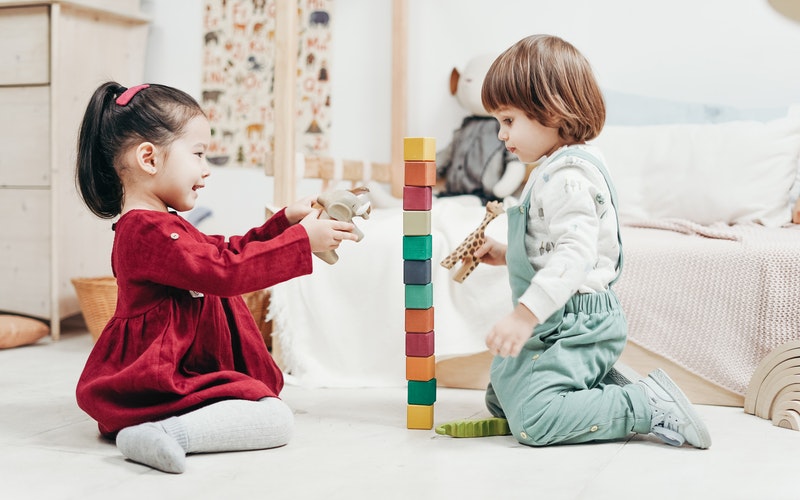
Play is much more than a source of entertainment for children. It is a powerful tool that supports learning, growth, and overall development. Through play, children explore the world around them, build relationships, develop essential life skills, and gain a better understanding of themselves and others.
Experts agree that play plays a vital role in a child’s physical, emotional, social, and cognitive development. Whether it involves imaginative games, outdoor activities, puzzles, or group interactions, play helps children learn naturally while having fun.
Why Is Play Important for Children?
Children learn best when they are actively engaged and curious. Play creates an environment where learning happens naturally without pressure. It encourages children to experiment, make decisions, solve problems, and express their creativity.
Some of the key benefits of play include:
-
Improved social skills
-
Better communication abilities
-
Enhanced creativity and imagination
-
Stronger problem-solving skills
-
Increased confidence and independence
-
Better emotional well-being
Play helps children develop important life skills that support their success both inside and outside the classroom.
How Play Supports Learning
Learning through play allows children to discover new ideas and concepts in an enjoyable way. Instead of simply memorizing information, children learn through hands-on experiences.
Through Play, Children Learn to:
-
Explore and understand their surroundings
-
Develop language and communication skills
-
Practice decision-making
-
Improve memory and concentration
-
Build critical thinking abilities
These experiences help children gain knowledge while developing a love for learning.
1. Develops Social Skills
One of the greatest advantages of play is that it teaches children how to interact with others.
When children play together, they learn to:
-
Share and cooperate
-
Take turns
-
Resolve conflicts
-
Respect different opinions
-
Build friendships
These social interactions help children become more confident and comfortable in group settings.
2. Improves Communication Skills
Play encourages children to express their thoughts, feelings, and ideas. Whether they are participating in role-playing games, storytelling, or team activities, they constantly practice communication.
Communication Benefits:
-
Expanded vocabulary
-
Better listening skills
-
Improved self-expression
-
Enhanced verbal and non-verbal communication
Strong communication skills are essential for academic success and healthy relationships.
3. Enhances Problem-Solving and Critical Thinking
Many forms of play involve challenges that require children to think creatively and solve problems.
For example:
-
Building blocks require planning and strategy.
-
Puzzles improve logical thinking.
-
Pretend play encourages creative solutions.
These activities strengthen critical thinking skills and help children learn how to make informed decisions.
4. Encourages Creativity and Imagination
Creative play allows children to use their imagination and explore new ideas. Whether pretending to be a doctor, teacher, astronaut, or artist, children learn to think beyond limitations.
Benefits of Creative Play:
-
Encourages innovation
-
Boosts confidence
-
Enhances self-expression
-
Develops storytelling abilities
Creativity developed during childhood often benefits individuals throughout their lives.
5. Promotes Emotional Development
Play provides children with a safe way to express emotions and understand their feelings.
Through play, children learn how to:
-
Manage frustration
-
Handle disappointment
-
Build resilience
-
Develop empathy
-
Understand emotions
These emotional skills help children navigate challenges more effectively as they grow.
6. Helps Children Understand the World Around Them
Play introduces children to new experiences, cultures, environments, and ideas. Through exploration and interaction, they gain a broader understanding of the world.
Examples include:
-
Learning about nature through outdoor play
-
Understanding different cultures through storytelling
-
Exploring real-life situations through role-playing
These experiences help children develop curiosity and awareness about the world around them.
7. Supports Physical Development
Active play contributes significantly to a child’s physical health and development.
Physical Benefits:
-
Improved coordination
-
Stronger muscles and bones
-
Better balance and flexibility
-
Enhanced motor skills
-
Increased overall fitness
Outdoor activities and sports are excellent ways to encourage physical growth and healthy habits.
How Parents Can Encourage Meaningful Play
Parents and caregivers play an important role in creating opportunities for children to engage in meaningful play.
Tips to Encourage Play:
-
Provide safe and engaging play spaces.
-
Offer age-appropriate toys and activities.
-
Encourage outdoor exploration.
-
Limit excessive screen time.
-
Participate in play activities together.
-
Allow children time for unstructured play.
A supportive environment helps children gain the maximum benefits from play.
Also Read: Content Writer Interview Questions
What Happens When Children Don’t Play Enough?
Children who lack opportunities for play may experience several developmental challenges.
Potential consequences include:
-
Difficulty with social interactions
-
Reduced creativity
-
Poor communication skills
-
Increased stress and anxiety
-
Lower self-confidence
-
Delayed emotional development
Play is not a luxury; it is an essential part of healthy childhood development.
Read Also : Install Brother Printer Without CD
Conclusion
Play is one of the most effective ways children learn and understand life. It supports social, emotional, cognitive, and physical development while encouraging creativity, curiosity, and confidence.
By providing children with opportunities to play, parents and educators help them build the skills needed for lifelong success. In a world that increasingly values academic achievement, it is important to remember that some of life’s most valuable lessons are learned through play.